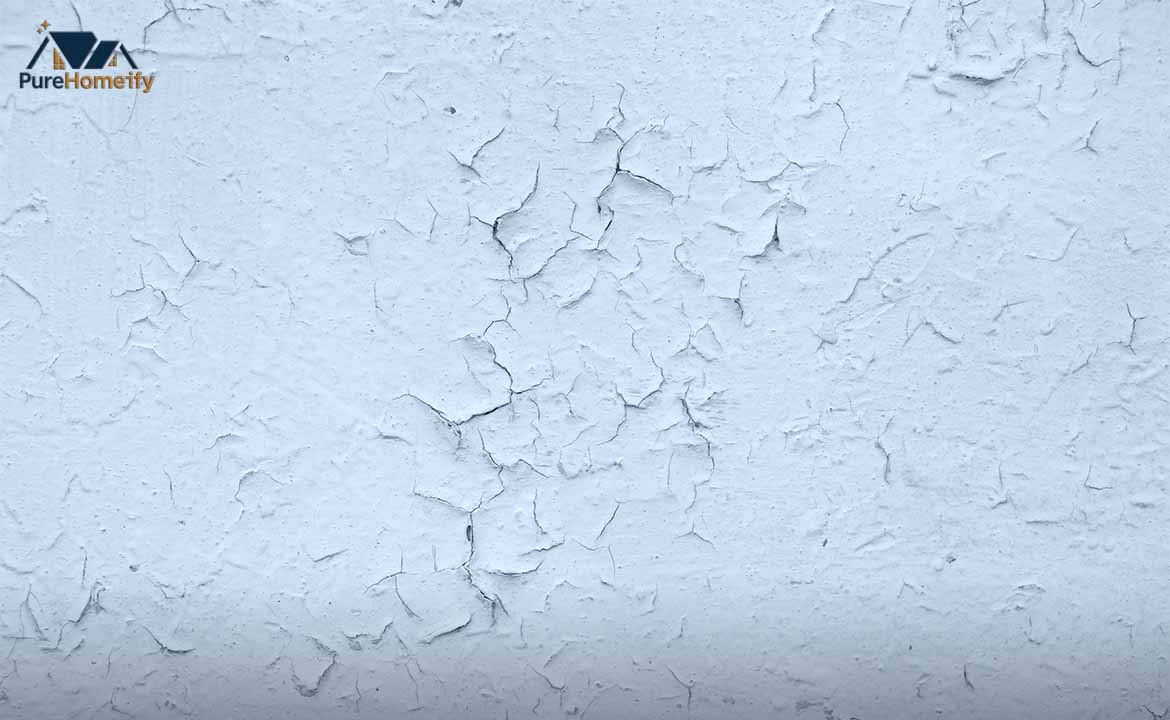
Have you ever wondered why are walls textured instead of smooth? In most American homes, walls texture is everywhere—from living rooms to hallways. It’s not just a random design choice. In fact, there’s a fascinating blend of style, function, and practicality behind every bump and groove. Wall texturing hides imperfections, enhances light diffusion, and gives your interiors warmth and depth that plain walls simply lack. Once you understand the real reason behind it, you’ll see your home’s walls texture in a completely new way.
What Does It Mean When a Wall Is Textured?
A textured wall isn’t just painted—it has a raised surface pattern that you can see and feel. These patterns can be subtle or bold. The wall textures meaning goes beyond looks. The purpose of textured walls is to hide small dents or seams that appear when installing drywall. It also helps diffuse light, creating a softer atmosphere in a room.
In simple terms, a textured drywall definition means applying compound or plaster to form a rough wall finish. You may know them as bumpy walls, and if you’ve ever asked “what are bumpy walls called?” — the answer depends on the style, such as orange peel or knockdown. In older homes, you might even find a plaster vs drywall texture difference, where plaster gives a heavier look and drywall offers lighter texture options.
History and Evolution of Textured Walls in Home Design
The story of walls texture begins with traditional plaster walls, popular in early 20th-century homes. Back then, texture was added by hand using plaster for both protection and style. Over the years, interior design evolution brought in drywall, and builders realized textured finishes helped speed up construction while covering small flaws.
From the heavy popcorn patterns of the 1970s to sleek 90s vs modern wall finishes, wall texture trends over time reveal how taste and technology evolved. Today’s homeowners favor lighter interior wall finishes that still carry a hint of character without overwhelming the eye. Texturing has become an art form blending history with modern flair.
Why Are Walls Textured? The Main Reasons
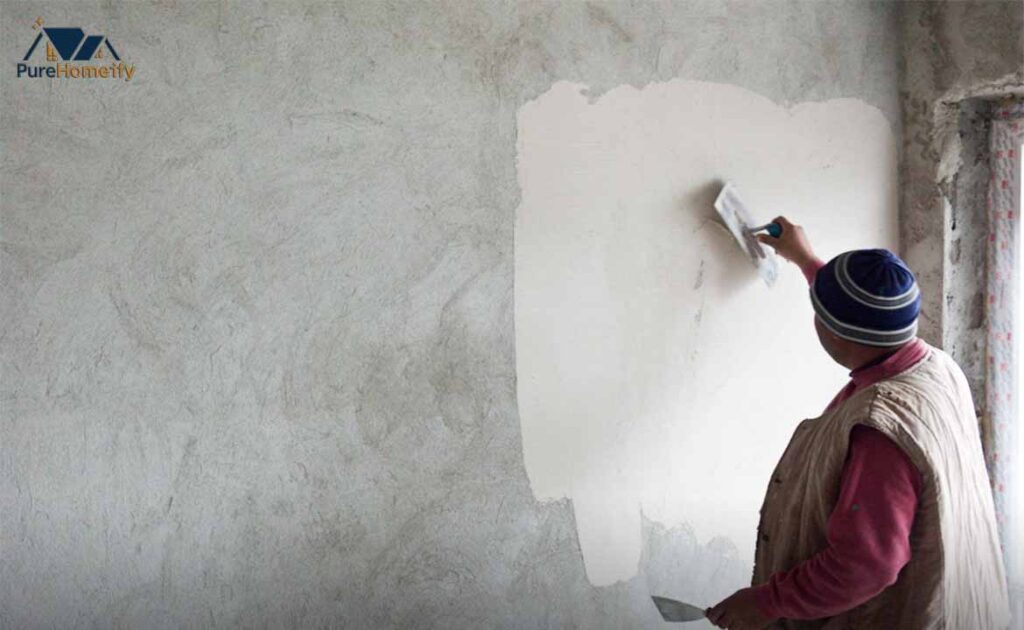
So, why are walls textured in the first place? The main answer lies in function and affordability. Walls texture conceals seams, dents, and uneven drywall joints. It’s one of the most cost-effective wall finishes for builders. As one Reddit user jokingly wrote, “Texture hides every mistake that paint can’t forgive.”
This insight sums it up perfectly. The reasons for wall texture are clear—it makes surfaces more forgiving, hides flaws, and adds life to dull drywall. It also offers acoustic and visual benefits, softening echoes and light reflections. In short, it’s the smart, stylish solution that saves time and boosts beauty in any home.
Common Types of Wall Textures and Their Features
There are many types of walls texture used across the United States. Each one gives a unique feel and finish.
| Texture Type | Description | Pros | Cons |
|---|---|---|---|
| Orange Peel Wall Texture | Smooth, dimpled pattern like an orange peel | Hides flaws easily, modern look | Harder to repair seamlessly |
| Knockdown Wall Texture | Soft, flattened peaks created after spraying | Contemporary, easy to clean | Slightly more labor-intensive |
| Skip Trowel Texture | Applied with a trowel in light, random strokes | Elegant, Mediterranean feel | Needs a skilled hand |
| Sand Swirl | Circular swirls using sand and paint | Adds movement and warmth | Difficult to match if damaged |
| Popcorn Ceiling | Bumpy, foamy texture mostly used on ceilings | Excellent sound absorption | Outdated, traps dust |
Each of these drywall textures adds character. The choice often depends on design taste, budget, and the interior wall finishes already present.
Benefits of Having Textured Walls
The purpose of walls texture extends far beyond looks. One of the biggest advantages is how they hide drywall flaws. Small dents or uneven joints become invisible once texture is applied. It also adds dimension to walls, making rooms appear more dynamic and less flat.
Textured walls also provide sound absorption benefits. They soften noise, especially in open-plan homes. Many homeowners love how textured walls require easy wall maintenance because they don’t show smudges or scratches easily. They even allow for better paint blending, which makes touch-ups less noticeable. Overall, textured walls make a home cozier and more forgiving.
Disadvantages of Textured Walls
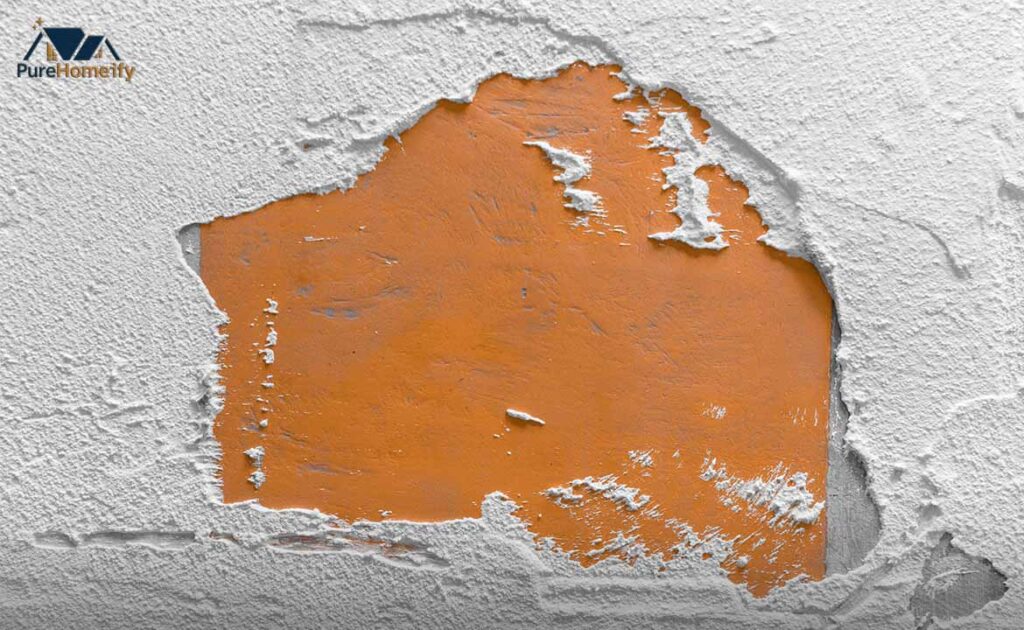
While walls texture has many strengths, it’s not without drawbacks. Cleaning can be challenging since dust on textured surfaces tends to collect in the grooves. You’ll need to use a soft brush or vacuum attachment for maintenance.
Another downside is that it’s difficult to repaint. Paint rollers don’t glide smoothly, and you might need extra coats. Some homeowners also see certain styles as dated interior finishes, asking, “Are textured walls outdated?” The answer depends on the type of texture. While popcorn is outdated, subtle modern textures remain timeless and stylish.
Textured Walls vs Smooth Walls — Which Is Better?
The textured walls vs smooth debate depends on what you want your home to feel like. Smooth walls are elegant and minimal, great for modern homes. But they reveal every flaw, demanding near-perfect drywall work.
On the other hand, walls texture hides imperfections and gives a more relaxed, lived-in charm. When it comes to home resale value, buyers often appreciate textured finishes for their warmth. In design preferences 2025, both styles coexist—smooth for sleek, modern rooms and textured for cozy, rustic spaces. Your choice should match your personality and lifestyle.
How to Get Rid of Textured Walls
If you’ve had enough of those bumps and want a smooth surface, there are ways of removing wall texture. The most common method is skim coating walls, where a thin layer of compound is applied over the texture. Once dry, it’s sanded smooth before repainting.
You can also try sanding walls textured directly, though it’s messy and time-consuming. Professionals often prefer retexturing drywall instead—applying a lighter, more modern finish instead of total removal. Whether you’re how to get rid of textured walls for aesthetic reasons or to modernize your space, it’s best to consult an experienced contractor for a flawless result.
Modern Wall Texture Trends
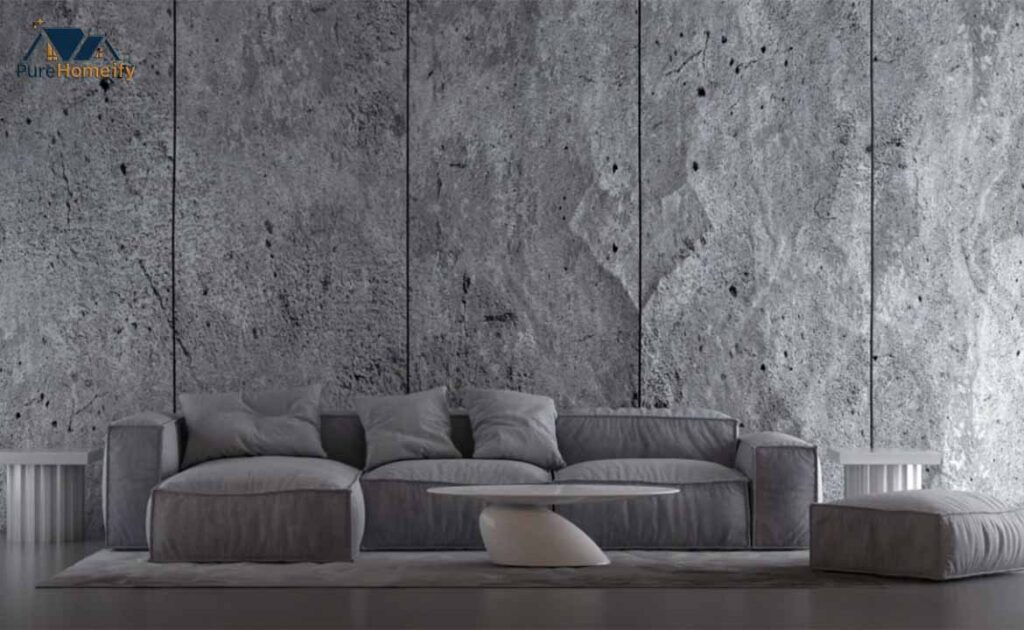
In recent years, modern wall texture trends have leaned toward subtlety. Designers favor subtle texture designs that blend smooth and matte finishes. Materials like eco-friendly materials and lime plaster are becoming popular due to sustainability and natural appeal. The focus is on creating a soft, light reflective texture that feels organic.
According to 2025 home decor trends, minimalist wall finishes will dominate. Instead of heavy textures, expect whisper-soft patterns that barely catch the light. These designs make homes look fresh, elegant, and easier to maintain. Today’s walls aim for a balance—character without clutter.
Final Thoughts — Should You Choose Textured Walls?
When deciding between smooth and textured, remember that both have charm. The smooth vs textured wall debate isn’t about right or wrong—it’s about preference. If you value warmth, durability, and low maintenance, walls texture is your ally.
But if you love crisp lines and ultra-modern looks, smooth walls may fit better. Before making home improvement decisions, think about cleaning habits, design goals, and lighting. As one designer said, “A home’s walls texture should tell its story—soft where life feels calm, bold where it thrives.” For true wall design inspiration, explore both, and choose what feels like you.