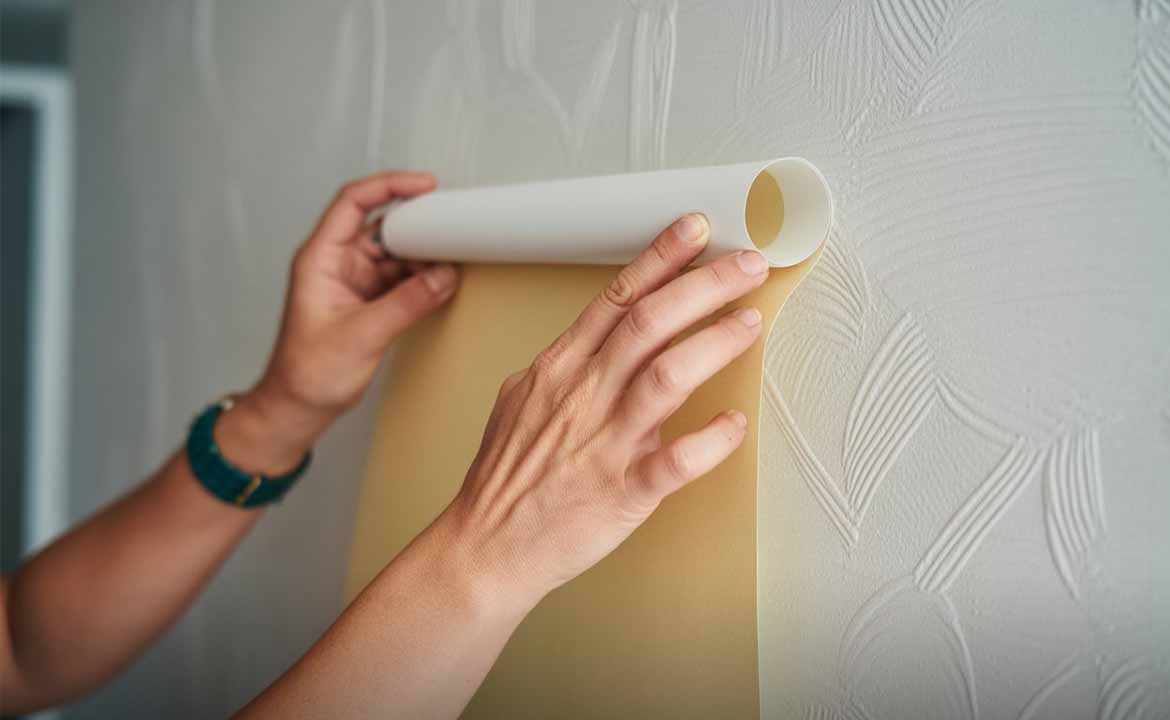
If you’ve ever stood in front of your bumpy walls wondering, can you put wallpaper on textured walls, you’re not alone. Many U.S. homeowners face this same design dilemma. The good news? With the right preparation, tools, and materials, it’s absolutely possible to give your space a fresh, stylish makeover. Applying wallpaper for textured walls isn’t as simple as working on smooth surfaces, but smart techniques can make it work beautifully. Using vinyl wallpaper, a wall liner, or even peel and stick wallpaper on textured walls can help hide imperfections. With a bit of patience and the right approach, your textured walls can look modern, elegant, and completely transformed.
Can You Put Wallpaper on Textured Walls?
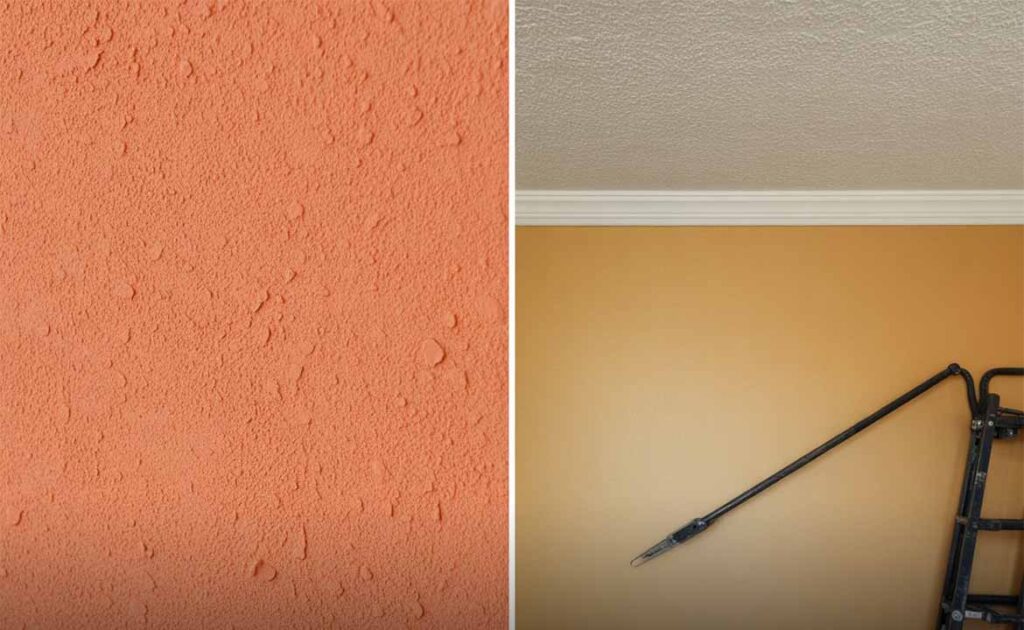
Yes, you can, but it’s not as simple as applying wallpaper to a smooth surface. The main issue is adhesion problems with textured walls. Wallpaper doesn’t stick well when the surface has deep bumps, dents, or uneven patches. The type of wall texture like orange peel, knockdown, or stucco affects how the wallpaper will grip.
When thinking about how to wallpaper textured walls, the secret is surface treatment. You might need to apply a skim coat, use a wall liner, or choose thick wallpaper for textured walls. Professional installers often recommend using a wallpaper primer to create a stronger bond. In short, it’s possible, but it’s a process that demands careful preparation.
Types of Textured Walls and Their Wallpaper Compatibility
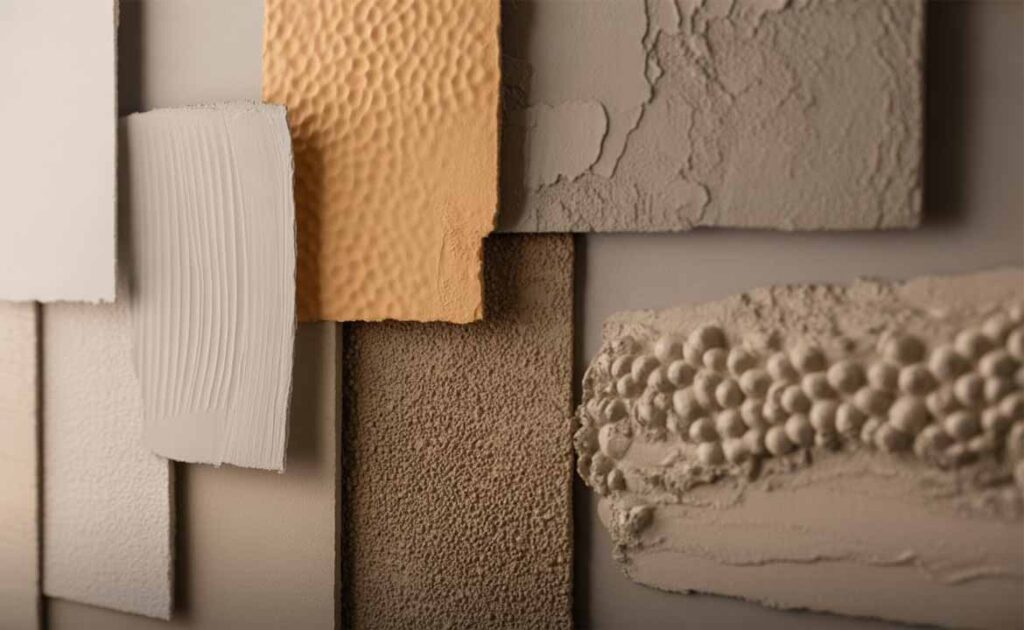
Different wall texture types (orange peel, knockdown, stucco, popcorn) affect wallpaper results. Orange peel walls are slightly bumpy, while popcorn textures are extremely uneven. Knockdown and sand swirl walls fall somewhere in between. The more dramatic the texture, the harder it is for wallpaper to stick.
Here’s a simple table comparing wall textures and their compatibility with wallpaper:
| Wall Texture Type | Compatibility Rating (1–5) | Recommended Wallpaper Type |
|---|---|---|
| Orange Peel | 4 | Vinyl wallpaper, peel and stick wallpaper on textured walls |
| Knockdown | 3 | Fabric-backed wallpaper, paintable wallpaper |
| Popcorn | 1 | Not ideal, consider smoothing first |
| Stucco | 2 | Thick wallpaper for textured walls |
| Sand Swirl | 3 | Adhesive wallpaper with primer |
If your wall looks like it has craters, don’t panic. There are ways to smooth things out before applying your favorite removable wallpaper or adhesive wallpaper design.
Best Wallpaper for Textured Walls
Choosing the best wallpaper for textured walls depends on how uneven your surface is. Vinyl wallpaper is the most forgiving because it’s thicker and durable. Fabric-backed wallpaper also works well, especially in high-traffic areas. Both types resist peeling and hide small bumps easily.
Paintable wallpaper and wall liner are perfect if you plan a textured wall makeover. You can paint over them to match your room’s aesthetic. They act as a buffer between the texture and the wallpaper, improving adhesion and finish. According to interior design trends, layered looks with subtle patterns are popular in U.S. homes this year.
Best Peel and Stick Wallpaper for Textured Walls
Many renters and DIY decorators ask, “Can I put wallpaper on textured walls with peel and stick?” The answer is yes, but only if the texture is light. On orange peel walls, peel and stick wallpaper on textured walls can stay in place if you apply it carefully.
To increase adhesion, always clean the wall first and use a wallpaper primer. Some homeowners even warm the adhesive with a hairdryer during installation to make wallpaper stick to textured wall surfaces more firmly. Still, if your texture is very rough, peel and stick may not last long.
Surface Preparation Before Applying Wallpaper
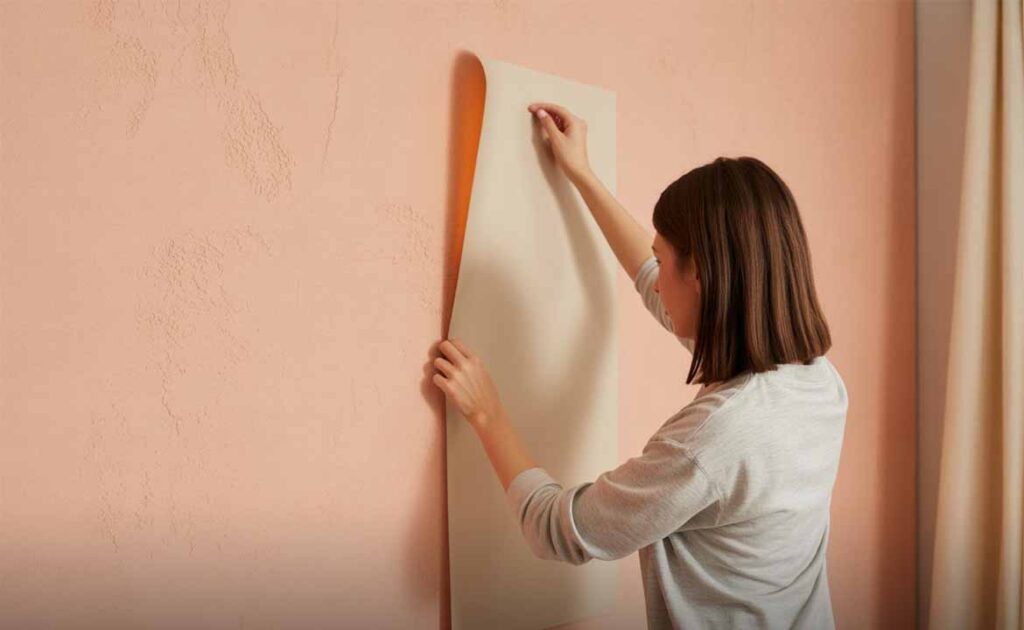
Surface prep is the secret if you want to successfully put wallpaper on textured walls. Start by cleaning with soap and water to remove dust or grease. Once dry, check how deep the texture is. If it’s too bumpy, apply a skim coat or install a wall liner.
The next step is priming. A good wallpaper primer prevents peeling and makes removal easier later. Many professionals say that proper wall prep for wallpaper can double the life of your project. Taking the time to prep ensures your effort to put wallpaper on textured walls won’t go to waste.
How to Apply Wallpaper on Textured Walls (Step-by-Step)
To put wallpaper on textured walls, measure your wall and cut your strips first. Start at one corner and press the wallpaper from top to bottom while smoothing outward. This helps avoid wallpaper bubbles. Always overlap slightly to hide seams.
Once the wallpaper is up, run a damp sponge along the edges to seal them. The key to successful wallpaper application on uneven surface is patience. Trim excess carefully and check your work as you go. If you rush, your attempt to put wallpaper on textured walls may end with peeling or gaps.
Can You Put Wallpaper on Orange Peel or Popcorn Walls?
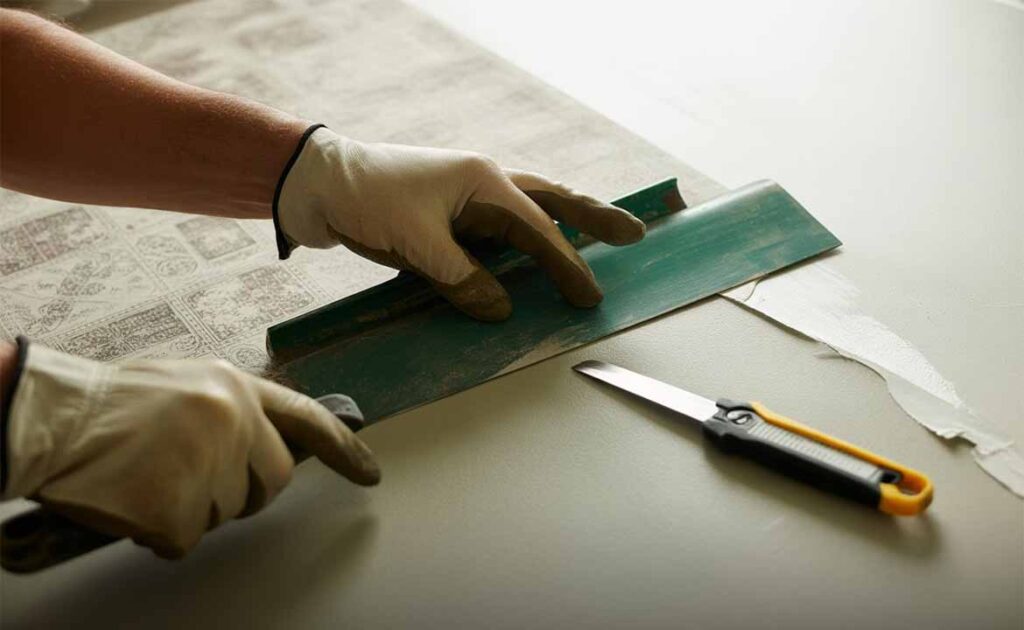
Homeowners often ask, can you wallpaper over orange peel texture or popcorn walls? Orange peel texture is moderate, so with proper textured wall treatment before wallpaper, it can look great. Use vinyl wallpaper or paintable wallpaper for the best results.
Popcorn walls, however, are much harder. Most experts suggest removing or covering them with a skim coat first. Trying to apply wallpaper for popcorn ceilings rarely works unless you flatten the texture. Some DIYers on Reddit shared how they used wall liner to cover popcorn ceilings before wallpapering—it’s possible, but requires patience.
Alternatives If Wallpaper Doesn’t Work
If it feels impossible to put wallpaper on textured walls, don’t worry. You can try other options like decorative wall panels, removable wallpaper decals, or even fabric coverings. These hide imperfections while adding personality to your room.
Some homeowners prefer textured paint or faux finishes. While it’s not wallpaper, it’s still a DIY home improvement method that gives character to rough walls. Exploring alternatives ensures you can still update your space even if you can’t put wallpaper on textured walls successfully.
Expert Tips and Reddit Community Insights
On forums like Reddit, many homeowners share real experiences when they put wallpaper on textured walls. One user found that sanding lightly before applying fabric-backed wallpaper solved peeling issues. Another recommended using a wall liner over knockdown textures for a smooth base.
Experts in DIY home improvement say the biggest mistake is skipping prep. According to one contractor, “The time you spend smoothing saves you ten times the hassle later.” This simple advice applies to anyone planning to put wallpaper on textured walls in their home.
Expert Advice and Final Thoughts
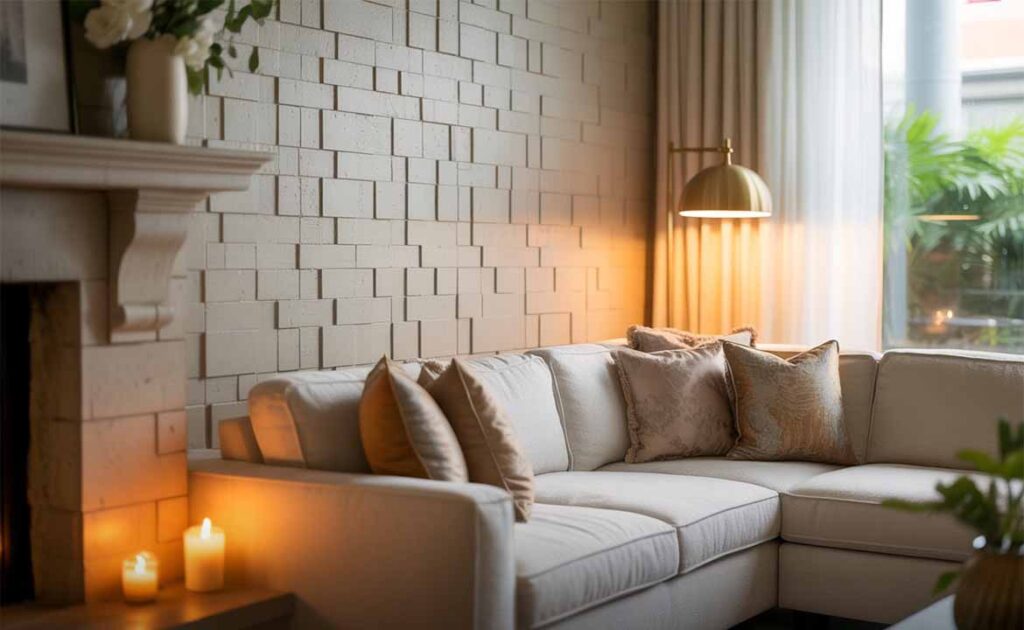
Experts and DIYers agree you can put wallpaper on textured walls successfully with patience and the right prep work. Many users on Reddit’s r/DIY share success stories using vinyl wallpaper combined with primer and light sanding. Professional decorators suggest testing a small sample area first to see how well it adheres.
In summary, you can definitely put wallpaper on textured walls and achieve a smooth, elegant look. Just remember to clean, prime, and smooth the surface before applying. Choose high-quality materials like fabric-backed wallpaper or paintable wallpaper, and don’t rush. With care, your project can turn a dull, bumpy wall into a sleek masterpiece that enhances your home’s charm and reflects your personal style.
FAQs
How do you prepare a textured wall for wallpaper?
Clean the wall, fill deep bumps, apply a skim coat or wall liner, and finish with a wallpaper primer for better adhesion.
What happens if you put wallpaper on textured walls?
If not prepped, the wallpaper may peel, form bubbles, or show the texture beneath—proper prep ensures a smooth, lasting finish.
What kind of wallpaper sticks to textured walls?
Vinyl wallpaper, fabric-backed wallpaper, or thick paintable wallpaper work best on textured or uneven surfaces.
Can you put wallpaper on textured walls without sanding?
Yes, but use a wall liner or skim coat instead to smooth the surface before applying wallpaper.
What are the pros and cons of wallpapering textured walls?
Pros: Adds style and hides mild imperfections.
Cons: More prep time and risk of poor adhesion on rough textures.